How to Choose a Web Development Agency for Your Business
By 2 Fellas Media Team · November 13, 2026 · 10 min read
A web development agency is a good fit when its service matches the job your organisation needs done and its proposal makes the scope, responsibilities and handover clear. For a business website, assess its approach to content, design, development and ongoing editing; for an online shop or custom application, look for a plan that addresses the added operational and technical requirements. Before comparing proposals, define the user task the site should support and how you will assess whether it works.
Table of Contents
- Match the agency’s service to the project
- Write a brief that agencies can scope
- Evaluate delivery, testing and handover
- Compare pricing models, scope and ownership
- Define success and screen agencies consistently
Match the agency’s service to the project
“Web development” can cover a content-managed business website, an online shop, a custom application or work on an existing site. These projects can look similar in a portfolio while requiring different planning, skills and maintenance. Define the kind of outcome you need before you ask agencies to estimate it.
| Buyer need | Service type to consider | Trade-off to examine |
|---|---|---|
| Explain services and encourage enquiries | Business website or CMS site | A more standard build may be simpler to manage, but check that the CMS supports the updates your team needs. |
| Publish campaign information and resources | Content-managed site or campaign pages | Flexible publishing needs clear content ownership, review and approval. |
| Sell products online | E-commerce development | Product and order workflows add operational decisions beyond visual design. |
| Provide a tailored digital workflow | Custom web application | Bespoke functionality calls for deeper scoping and a plan for ongoing maintenance. |
| Improve a site without replacing it | Audit, enhancement or maintenance work | Keeping the current platform may avoid a full rebuild, but the agency needs to understand its limitations first. |
Separate a content site from a product or application
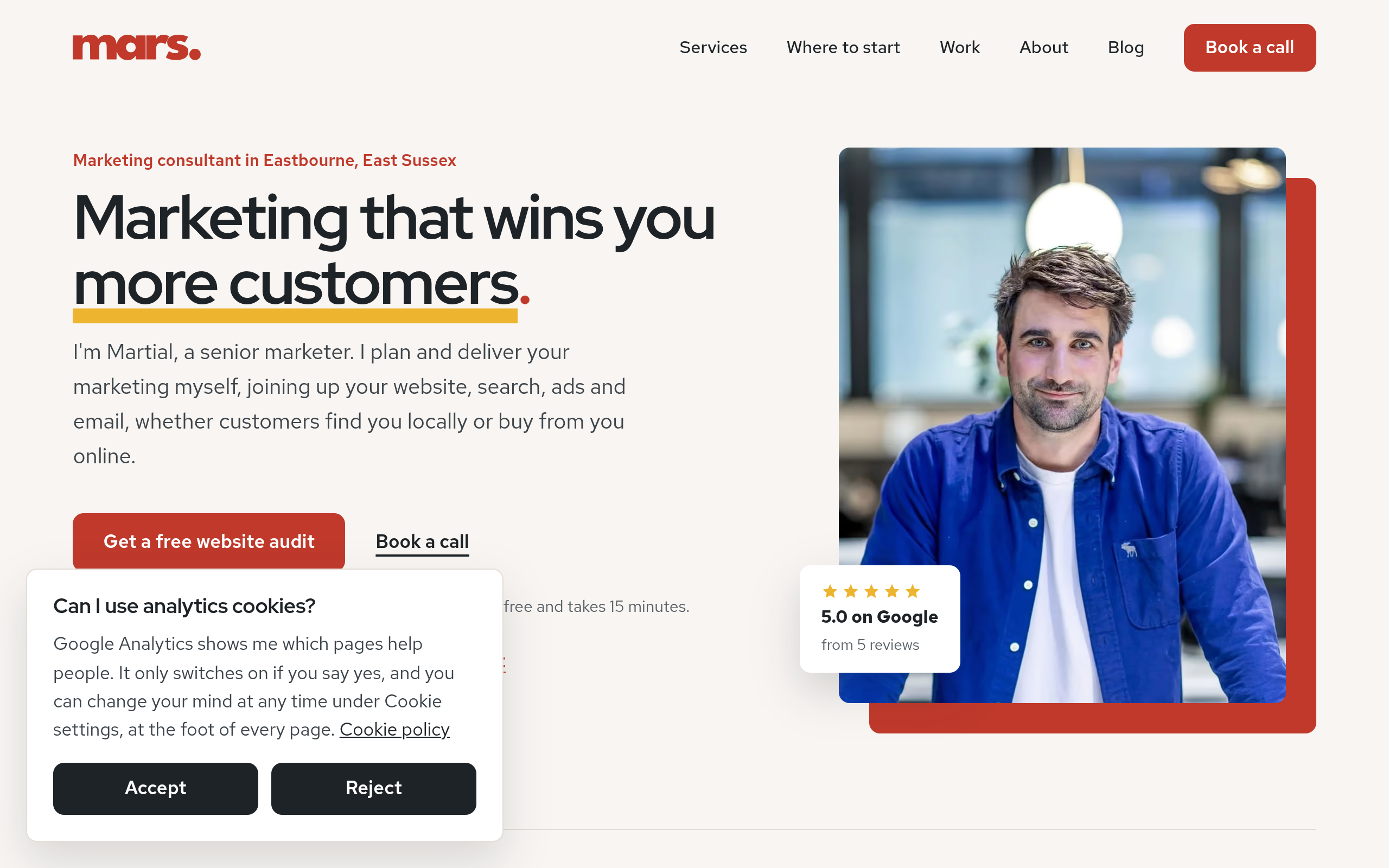
A business website commonly presents an organisation, its services and a next step such as making an enquiry. A CMS can let staff edit selected pages, but ask which parts they can safely update and what requires developer help. If the brief is to find a specialist to build a bespoke WordPress website, MARS’s page on custom WordPress websites can help you explore that specific route; treat the page as the provider’s own description, not an independent assessment.
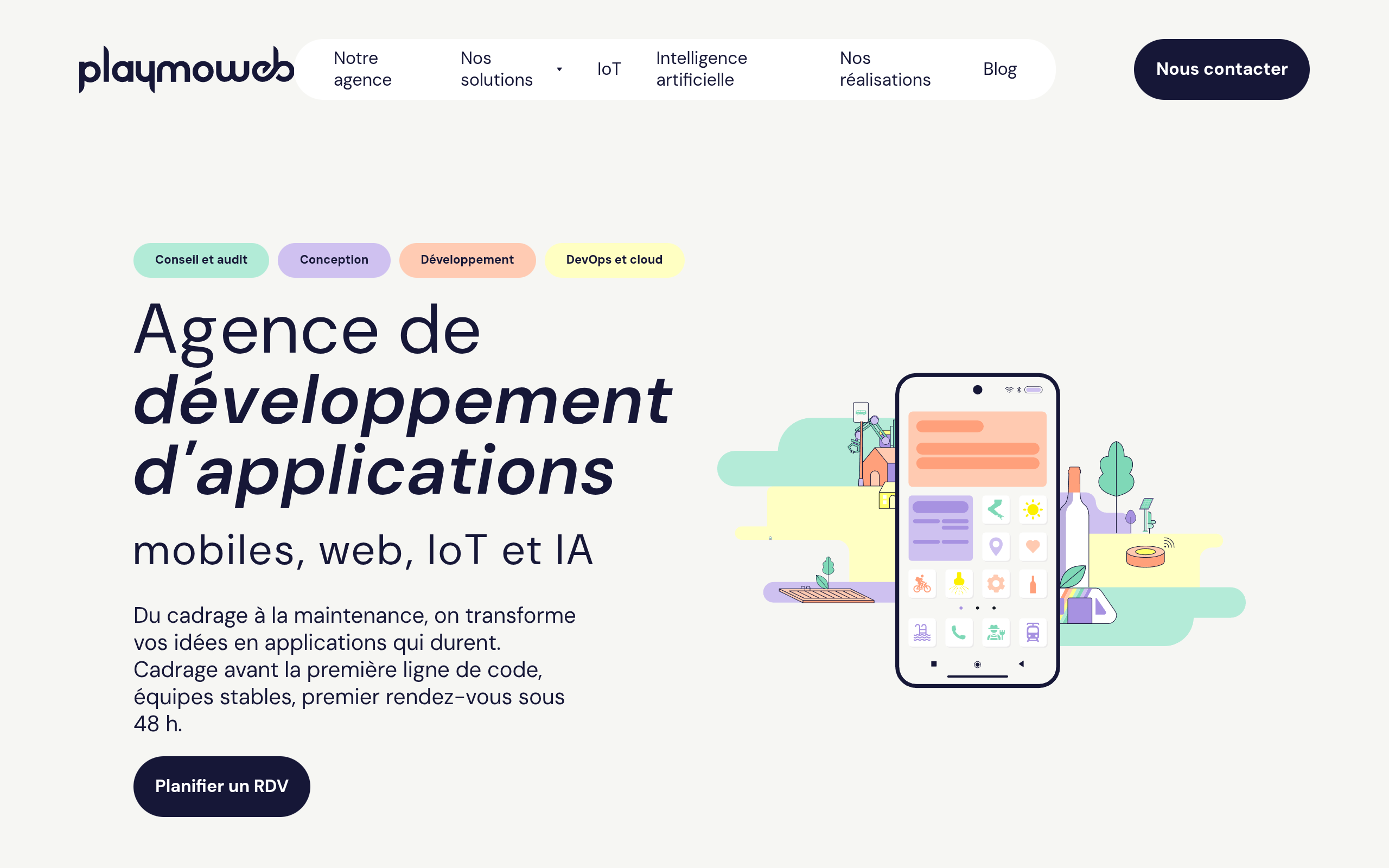
An online shop has to support the way customers discover products and complete purchases, as well as the organisation’s process for managing products and orders. KOMMERS describes e-commerce and web development services at e-commerce and web development services, which can help you assess an agency to build or improve an online shop. A custom web application may involve accounts, tailored workflows, data or connections to other systems; Playmoweb’s page on custom web application development can help you choose a development partner for a bespoke web application rather than a standard website. In each case, evaluate the proposed scope yourself rather than treating a provider’s description as an endorsement.

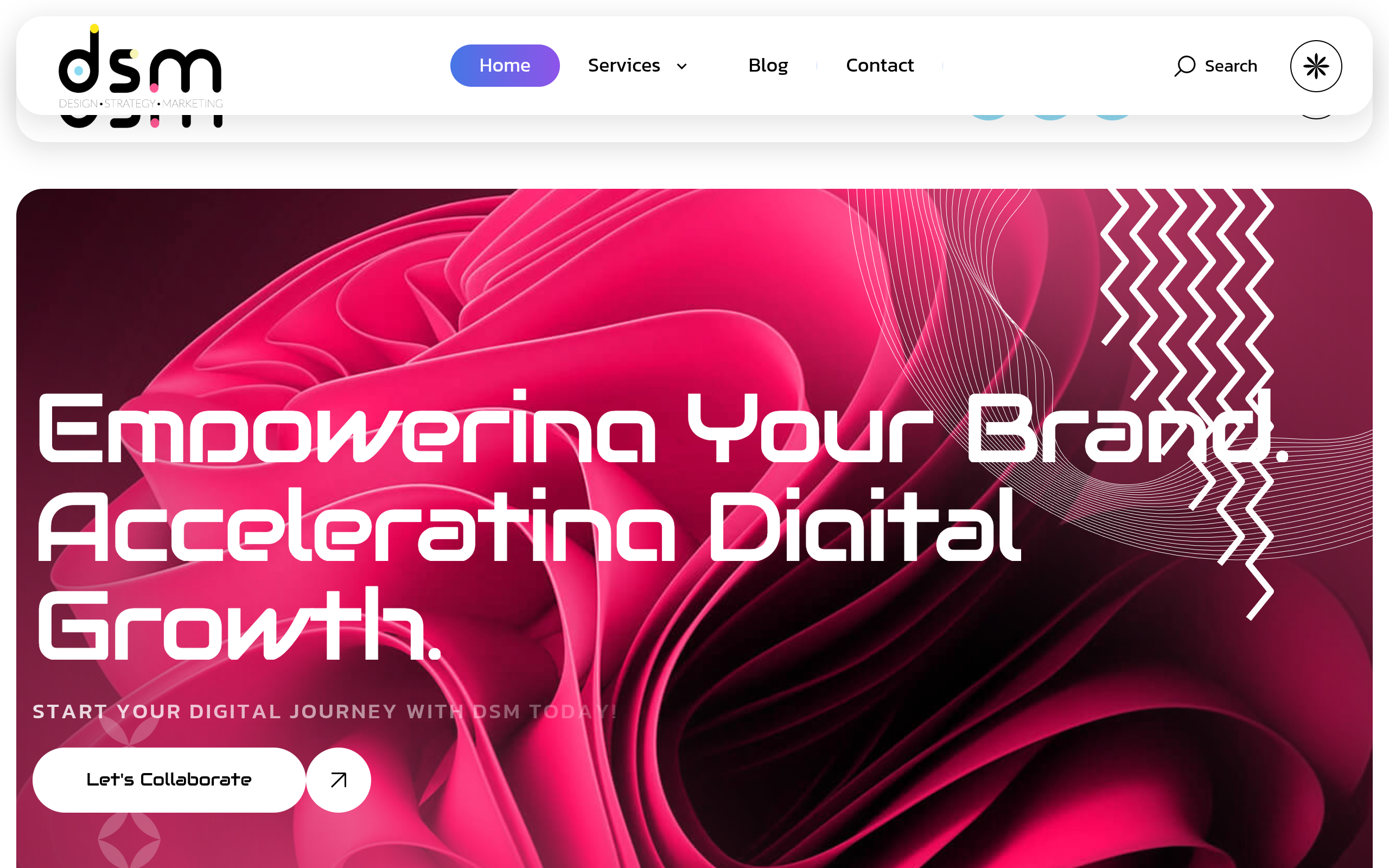
For a standard business website, DSM Digital describes its website design and development; that page can help you look for a provider to design a standard business website. A provider page can help you understand how an agency presents its service, but your brief and its written proposal are what let you judge whether the work fits.
Write a brief that agencies can scope
A request to “modernise the website” leaves too much open to interpretation. Start with the audience and user task: what should visitors understand or do, and what should your team be able to manage after launch? A South African small business might need to explain its services and receive suitable enquiries. An NGO might need to make a campaign easy to understand and direct supporters to a clear next step. Those goals affect the pages, content, forms and measurement you need.
Google’s SEO Starter Guide describes search optimisation in terms of helping search engines understand content and helping users decide whether to visit. Use that as a practical scope question: how will the agency make important pages clear and useful? “SEO-friendly” is not a promise of search rankings.
Before requesting proposals, collect the information that could change the work. You do not need to specify the technology, but you should identify real requirements and who will make decisions:
- Audience and purpose: who uses the site, what they need, and the main action or information they seek.
- Content: what can be reused, what needs to be written or revised, and who approves it.
- Functionality: the forms, search, languages, donations, products, accounts or other features that are genuinely needed.
- Systems and access: the domain, hosting, CMS and third-party services involved, and who controls their accounts.
- People and constraints: internal reviewers, dependencies and any launch commitments your team can substantiate.
Concrete examples help an agency distinguish needs that otherwise sound similar. An NGO planning a public-awareness campaign can specify whether it needs information pages alone or also registrations or donations. A business can state whether staff will update prices and service details or whether those changes will be handled another way. A marketing team can identify whether a new landing page must connect to an existing follow-up process. Each distinction can change the estimate and the handover plan.
Evaluate delivery, testing and handover
Compare how each agency will move from the brief to a working site, not only how its mock-up looks. A proposal should say who is responsible for discovery, content, design, development, testing and approval. It should also make your organisation’s role visible: client-side decisions and approved copy are project inputs, not details that can always be left until the build is underway.
Make the implementation burden visible
Delivery effort is shared. Your team may need to supply copy and images, provide access, review work and make decisions at agreed stages. Ask the agency to show the sequence of work and identify which client inputs are needed at each stage. If the proposal leaves responsibilities vague, it is hard to know whether a delay is a supplier issue, a missing decision or an unready piece of content.
Ask how the agency will check the site on different screen sizes, test forms and links, and resolve defects before launch. Google’s documentation on mobile-first indexing says Google primarily uses the mobile version of site content for indexing and ranking. Review the mobile experience and content as well as desktop layouts; a desktop design alone does not establish that the mobile version works well for visitors.
Discuss accessibility as part of design and implementation. The W3C’s WCAG overview explains the Web Content Accessibility Guidelines and their role in making web content more accessible. Ask which checks are included, what is outside the proposed scope and how issues will be handled. A proposal that says “accessible” without describing the work is not evidence that a site conforms to WCAG.
Check performance and future maintenance
Ask whether the agency will assess performance, which pages or conditions it will check, and whether relevant work such as image optimisation is included. Google’s Core Web Vitals guidance describes measures relating to loading, interactivity and visual stability. The useful buying question is not whether an agency promises a fast site, but what it will measure and what changes fall within the agreed scope.
At handover, the people who maintain the site need to know what they can do without creating avoidable risk. For a CMS, ask which components staff can edit and what needs developer support. For a shop or application, clarify who handles fixes, platform updates and changes to integrations. A routine content edit and a change to a custom workflow are different tasks; the handover should make that boundary clear.
- Ask for the testing steps and the process for reporting and fixing defects.
- List the accounts, files and documentation your organisation will receive.
- Agree whether staff training is included and which editing tasks it covers.
- Define what post-launch support covers and what counts as new development.
Compare pricing models, scope and ownership
Proposals may use a fixed project fee, time-based billing, staged payments or an ongoing support arrangement. None is automatically best. A fixed scope can make sense when requirements are settled; time-based work may suit a project where discovery could change the plan, but ask how hours, decisions and approvals will be tracked. For ongoing support, clarify what work is covered, how requests are prioritised and what happens to unused capacity if the arrangement includes it.
Compare included work, not just totals. One proposal might include content migration or copywriting while another assumes your organisation supplies everything. Ask each agency to itemise deliverables, assumptions, exclusions, third-party costs and how changes are estimated and approved. Without a defined scope, a quote cannot tell you whether you are comparing like with like. Do not infer a reliable market price from a proposal that does not describe the work.
Ask about ownership before work begins. Establish who will hold the domain, hosting and service accounts, whether you will have administrator access, and what files or documentation you receive at handover. Confirm in writing what rights your organisation has to use the delivered design and code, and whether any third-party software has separate terms or fees. These details matter if you later change agency or bring maintenance in-house.
Budget for the work your team must contribute as well as the supplier’s invoice. If staff are expected to provide all copy, approvals and technical access, make sure they have the time and authority to do so. If they do not, ask what additional support the agency can include and how that changes scope. This is more useful than choosing a proposal based on the lowest initial figure and discovering later that essential work was excluded.
Define success and screen agencies consistently
Agree on observable success measures before launch. A goal such as “look more professional” may guide design, but it does not show whether the site is helping the organisation. Choose measures connected to the user task, and include any required tracking in the scope. Keep the agency’s deliverables distinct from outcomes that depend on your content, marketing or follow-up.
- Enquiries: track relevant form submissions or calls, and define what makes an enquiry suitable for your team.
- Campaign information: review visits to priority resources or completion of a meaningful registration step, if applicable.
- Online sales: measure the purchase journey with tracking that has been properly configured.
- Content updates: check whether staff can complete the editing tasks they were expected to manage.
- Technical checks: record agreed results for mobile usability, accessibility, performance and form function, including unresolved issues.
Use the same interview questions with each agency so the answers are comparable. Review relevant work on the 2 Fellas Media portfolio in relation to your requirements; a portfolio item can provide context, but does not by itself prove a particular capability or outcome.
- What do you need from us, and which decisions could change the scope?
- Who leads the project, and who handles content, design, development and testing?
- How will you approach the main user task, and what informs that approach?
- What is included and excluded, and how are changes estimated and approved?
- What testing, access, documentation, training and rights are included at handover?
- What support is available after launch, and how is it scoped and billed?
- Which success measures can you help implement, and which depend on our team?
Watch for red flags: a proposal that skips discovery but makes confident promises, vague deliverables without exclusions, unclear account ownership or reluctance to explain maintenance. Be cautious of guaranteed rankings or lead volumes without a discussion of measurement and the factors outside the agency’s control. Ask for unclear commitments in writing; if the answer remains vague, compare another proposal.
Choose the agency whose scope, communication and handover plan fit your organisation’s capacity—not simply the one with the most elaborate mock-up or fewest line items. 2 Fellas Media provides website design and custom web development, alongside brand strategy and campaign work; if that combination is relevant to your brief, 2 Fellas Media.
Authored with NotFair SEO
- web development agency
- website development
- digital strategy
- small business marketing
- web design